Design Thinking
The Anatomy of a Refined Garden
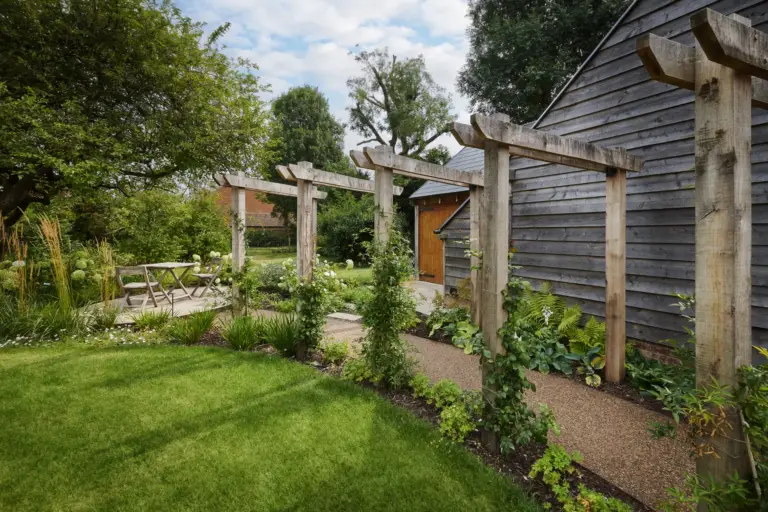
A refined garden is not defined by one feature, material or style. It is the result of many connected decisions: how the garden is entered, how it is viewed from the house, how it moves through space, how it is built, planted, used and cared for over time.
When those decisions work together, the garden feels calm. Nothing shouts for attention. The space feels inevitable, as though it could not have been arranged any other way.
The relationship between house and garden
The starting point is rarely the garden alone. A refined outdoor space should respond to the home, the architecture, the way rooms are used and the views from inside.
Thresholds matter. The step from kitchen to terrace, the view from a living room, the line from a hallway to a tree or the relationship between a bedroom and a planted boundary can all shape the design.
Spatial design and movement
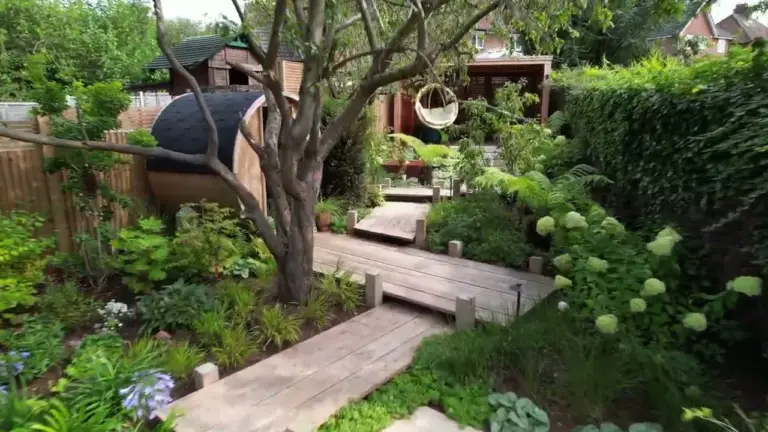
A garden is experienced through movement. Paths, terraces, lawns, steps, gates, openings and destination spaces decide how the body moves and how the eye travels.
The best layouts feel intuitive. They guide without forcing. They create moments of pause, reveal and transition while still feeling comfortable for everyday life.
Structure and construction quality
Behind every refined finish is a structure that allows it to last. Levels, drainage, foundations, walls, paving, steps, edges and material junctions all need to be considered carefully.
Construction quality is not only about strength. It is about protecting the design intent. If a curve, step, joint or terrace is poorly resolved, the whole garden can feel less composed.
Planting as atmosphere
Planting gives the garden life, softness and maturity. It can screen, frame, reveal, soften, divide and connect. It can make a new garden feel settled and allow a strong structure to breathe.
Planting also brings time into the garden. It changes through the seasons and develops over years, which is why it should be considered as a design layer from the beginning.
Outdoor living as part of the whole
Outdoor kitchens, pergolas, pools, lighting, fire features, dining terraces and wellness spaces can be powerful additions, but only when they belong to the wider garden.
A refined outdoor living feature should feel integrated with materials, planting, views, privacy, movement and evening atmosphere. It should support the way the garden is used, not dominate it.
Materials, restraint and detail
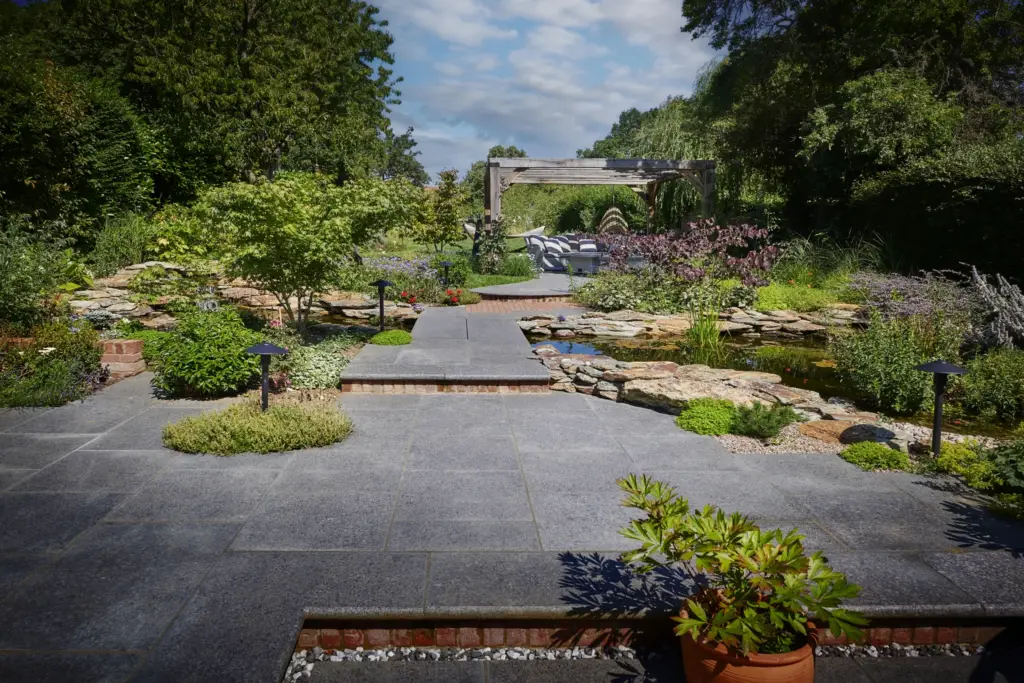
Material choices carry much of the garden’s character. Stone, timber, porcelain, clay, metal, render, gravel, water and planting all need to sit together with intention.
A restrained palette often feels more luxurious because it gives the eye fewer things to resolve. The details then matter more: junctions, finishes, edges, steps, thresholds and the way materials weather over time.
Handover, aftercare and evolution
A garden does not stop developing when the build is complete. Planting establishes. Materials soften. Lawns settle. Trees and hedges grow into their role.
Aftercare supports that evolution. It protects the design intent and helps the garden mature with the same level of consideration that shaped the original project.
The best gardens feel inevitable
Projects such as The Poolside Garden, Buckhurst Hill, Cottered Barn, The Edwardian Garden and Between Stone and Water can each be used to explore different parts of this anatomy: layout, construction, planting, atmosphere, outdoor living and maturity.
Across Hertfordshire, Bedfordshire, Cambridgeshire and North London, the most successful gardens are rarely about one idea. They are about many considered decisions working together.
It is the same care that saw Refined win at the BALI National Landscape Awards for a second consecutive year. To begin shaping a garden with this level of care and consideration, start a conversation.
Frequently asked questions
What defines a refined garden?
A refined garden is shaped by proportion, material restraint, planting, construction quality, atmosphere and long-term care rather than by one isolated feature.
Why does the relationship between house and garden matter?
The garden should feel connected to how the home is lived in, viewed and moved through. This relationship affects layout, thresholds, sightlines and atmosphere.
How do design, build and aftercare work together?
Design sets the intent, construction protects the structure, planting brings life and aftercare supports the garden as it matures.
More from the Journal
-
The Quiet Principles of High-End Garden Design
The most successful high-end gardens feel calm and natural to the home, even when every detail has been carefully considered.
Read the article -
Seeing the Garden Before It Is Built
A short film showing how 3D garden design renders help clients understand layout, levels, proportion and atmosphere before a garden moves into construction.
Read the article -
When Levels Become Part of the Garden
A short project film showing how steps and level changes can become part of the garden’s experience rather than a purely functional requirement.
Read the article