Planting & Horticulture
Planting Is Not the Final Layer
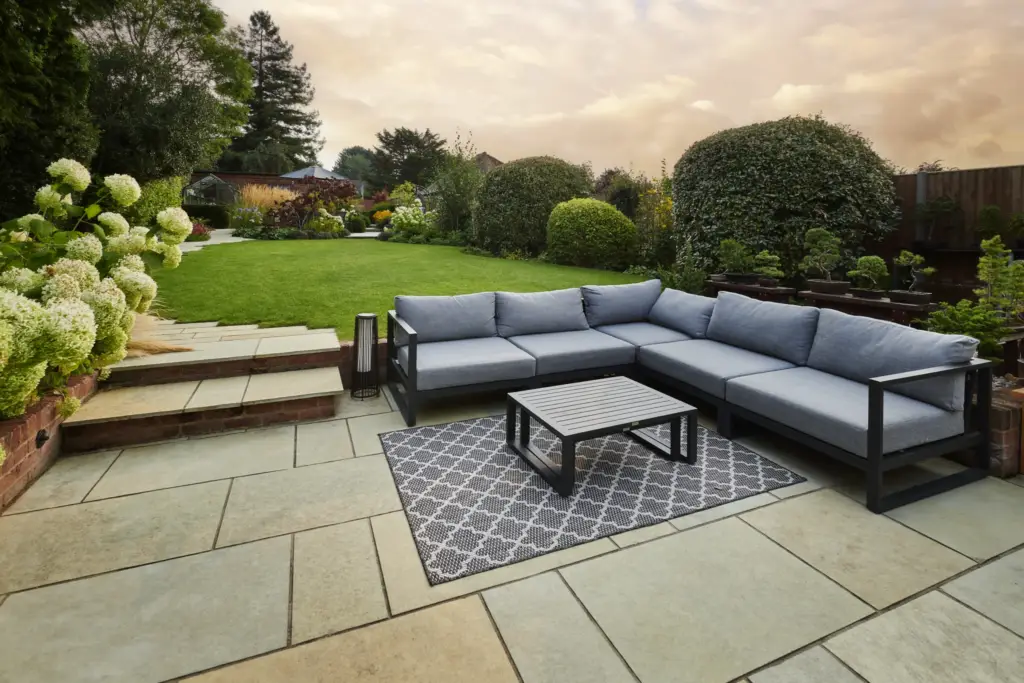
Planting is often treated as the final layer of a garden, added once the structure is complete. In a refined garden, it should be considered much earlier, because planting shapes atmosphere, movement, privacy, scale, seasonality and long-term maturity.
A garden without considered planting may still have strong materials and good construction, but it can lack depth. Planting is what allows the space to soften, settle and change over time.
Planting influences the layout
Planting should help decide how the garden is organised. It can guide movement, create separation, frame views, soften boundaries, screen neighbouring properties and give purpose to different areas of the garden.
When planting is considered early, beds, borders, paths, terraces and lawn areas can be proportioned properly. The planting is not forced into leftover spaces. It becomes part of the structure.
Planting gives the garden rhythm
A strong planting scheme is not simply a collection of favourite plants. It considers repetition, contrast, height, texture, seasonal change, evergreen presence and the way plants work together through the year.
This rhythm is what helps a garden feel coherent. It can create calm in a contemporary space, softness around strong architecture or a more immersive atmosphere in a larger garden.
Soft landscaping is too narrow a description
Planting design is sometimes grouped under soft landscaping, but the phrase does not fully describe the strategic role planting can play. Soft landscaping usually refers to the living elements of a garden. Planting design considers how those living elements shape the experience of the space.
That includes privacy, scale, maturity, wildlife value, seasonal movement, visual balance and the way the garden will look in five years, not only on the day it is planted.
Soil, exposure and establishment matter
Good planting starts with the conditions of the garden. Soil, drainage, exposure, shade, wind, existing trees and maintenance expectations all influence what will succeed.
In gardens across Cambridgeshire and Bedfordshire, for example, setting can vary from more open rural edges to sheltered residential plots. The planting response should be shaped by those conditions rather than imposed regardless of site.
Planting needs time and care
The day a garden is planted is the beginning of its next stage, not the end. Plants need to establish. Borders need refining. Growth needs guiding. Some areas will strengthen over a season, others over several years.
This is where aftercare becomes important. It protects the design intent and helps the planting mature in the way it was planned.
The strongest planting feels inevitable
Projects such as The Staccato Pathway and Pathways and Pause can be used to show how planting changes the character of a garden. It can create intimacy, generosity, movement and softness, while still supporting a clear design structure. Read more on how to achieve this aesthetic in our Planting Design service.
For planting that feels integral to the garden rather than added at the end, start a conversation.
Frequently asked questions
When should planting design be considered?
Planting should be considered from the beginning, particularly where privacy, views, movement, screening, seasonality or long-term maturity are important.
Is planting design the same as soft landscaping?
Soft landscaping usually refers to the living elements of a garden, but planting design is more strategic. It considers structure, rhythm, scale, atmosphere and how the garden will mature.
Why does aftercare matter for planting?
New planting needs time to establish. Aftercare helps protect plant health, refine growth and support the garden as it matures.
More from the Journal
-
Beyond Handover: The Stewardship of a Refined Garden
A completed garden continues to evolve. Aftercare protects the design intent and supports the landscape as it matures.
Read the article -
The Hertfordshire Clay Soil Guide: Designing Gardens for the Local Landscape
Understanding your garden's foundation.
Read the article -
The Anatomy of a Refined Garden
A refined garden is not defined by one feature or style. It is the result of connected decisions that shape how the space is seen, built, planted, used and cared for.
Read the article