Planting & Horticulture
Beyond Handover: The Stewardship of a Refined Garden
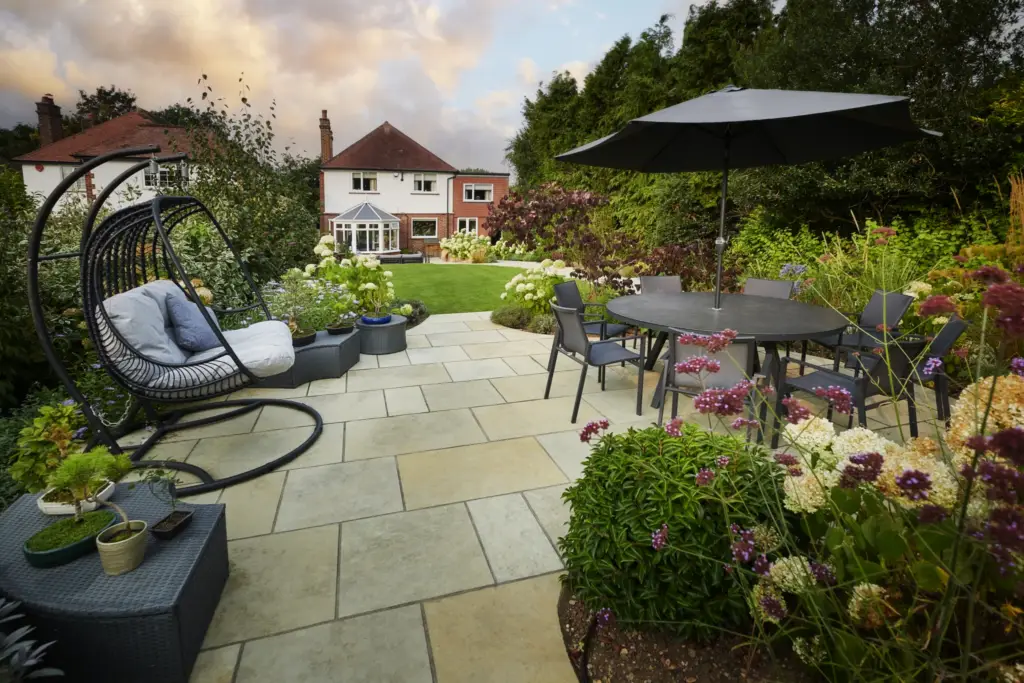
A garden does not stand still once the build is complete. Planting settles, materials weather, lawns establish, trees develop and the relationship between structure and softness begins to evolve. Aftercare protects that investment and supports the garden as it matures.
This is the difference between a garden that looks complete on handover day and a garden that continues to strengthen over time.
Handover is the beginning of the next stage
The completion of a garden build is a significant moment, but it is not the end of the garden. Newly planted borders need time to establish. Lawns need careful management. Irrigation may need checking and adjustment. Pruning and seasonal refinement begin to shape the garden’s long-term character.
A refined garden should be cared for with the same level of consideration that shaped its design and construction.
Aftercare protects the design intent
Every completed garden contains decisions: where planting should soften a boundary, where a view should stay open, where a tree should mature, where a lawn should hold its edge and where a terrace should remain clean and usable.
Aftercare protects those decisions. It helps the garden continue to express the original intent, rather than drifting into reactive maintenance.
Plant establishment needs patience
New planting rarely reaches its best immediately. Some plants need to settle their roots before they show strength. Borders may need editing. Growth may need guiding. Some plants will reveal themselves over a season, others over several years.
This is where horticultural care becomes essential. It supports plant health, encourages balanced growth and allows the planting scheme to mature as intended.
Seasonal care should be proactive
A considered aftercare approach looks ahead. It responds to the season, the weather, plant performance, soil condition, lawn health, irrigation, pruning windows and the way the garden is being used.
In Hertfordshire and surrounding counties, seasonal conditions can vary significantly from year to year. A garden that is cared for proactively is better able to respond. The ground varies as much as the weather, and The Hertfordshire Clay Soil Guide sets out how the county’s soils shape what a garden needs through the year.
Aftercare is not simply maintenance
Maintenance can sound like a list of tasks. Aftercare is more thoughtful. It asks what the garden needs in order to establish, mature and remain aligned with the original design.
That may include pruning, feeding, lawn care, irrigation review, border refinement, plant replacement, seasonal planting, soil improvement or gentle adjustment of the scheme as the garden develops.
Mature gardens carry the value of care
Projects such as The Edwardian Garden, Between Stone and Water and The Quiet Life can help illustrate how a garden’s character depends on maturity as much as completion.
For clients who want their garden to continue maturing with care, start a conversation.
Frequently asked questions
What is garden aftercare?
Garden aftercare is ongoing seasonal care that supports planting, lawns, soil, irrigation, pruning and the overall design intent after a garden has been completed.
How is aftercare different from garden maintenance?
Maintenance can be task-based and reactive. Aftercare is more considered, with attention to how the garden is establishing, changing and maturing.
When should aftercare begin?
Aftercare should be considered before handover, particularly where planting establishment, lawns, irrigation or long-term refinement are important.
More from the Journal
-
Planting Is Not the Final Layer
Planting is often treated as the last layer of a garden, but in a refined landscape it should influence the design from the beginning.
Read the article -
The Hertfordshire Clay Soil Guide: Designing Gardens for the Local Landscape
Understanding your garden's foundation.
Read the article -
The Anatomy of a Refined Garden
A refined garden is not defined by one feature or style. It is the result of connected decisions that shape how the space is seen, built, planted, used and cared for.
Read the article