Design & Build
Commissioning a Garden Design & Build Studio
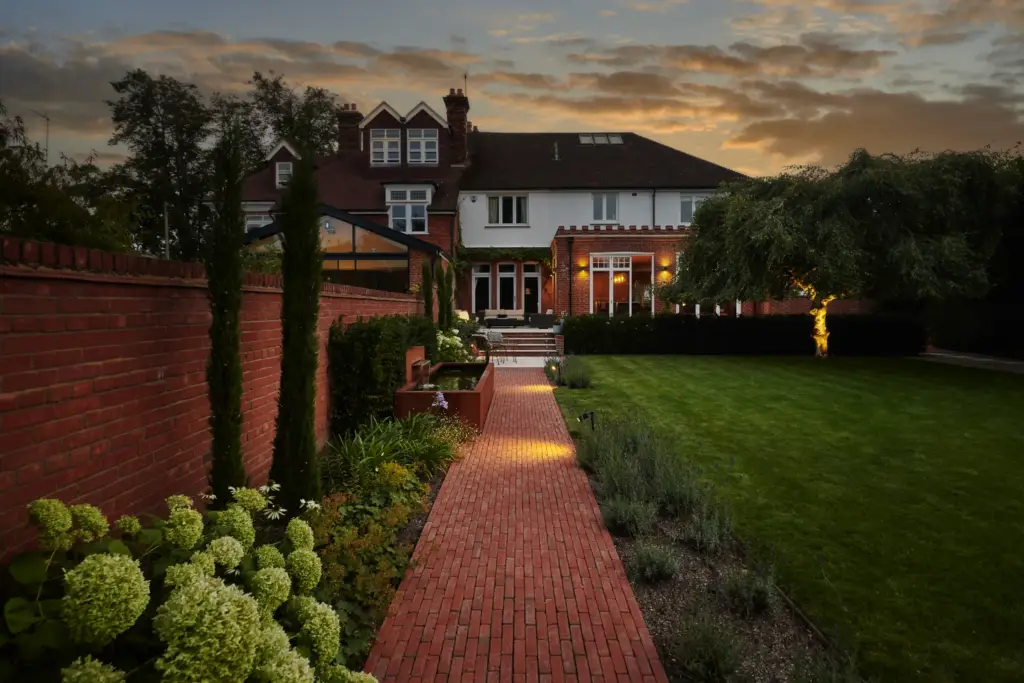
Commissioning a garden design and build studio is not simply about finding someone to draw a layout or install a terrace. For a high-value residential garden, the strongest results come from a team that can understand the home, shape the design, manage the technical build and think beyond handover.
The best gardens feel calm and inevitable at the end, but that sense of ease is rarely accidental. It comes from decisions made early: how the garden is entered, where the main views fall, how levels are resolved, how materials relate to the house, how planting will mature and how the finished space will be cared for over time.
Begin with the whole garden, not a single feature
Many projects begin with a feature in mind: a terrace, a pergola, an outdoor kitchen, a pool, a new planting scheme or a better route through the space. Those features matter, but they should not lead the design in isolation. A refined garden starts with the whole setting.
That means looking at the architecture of the house, the proportions of the garden, the way the space is used, the existing views, the sun path, privacy, access, level changes and the atmosphere the client wants to create. Only then can individual features be placed with confidence.
Look for design judgement as well as style
A strong design studio does not impose one aesthetic on every garden. It should be able to respond to the property, the client and the landscape. In Hertfordshire, that might mean working with period homes, contemporary extensions, rural edges, mature gardens or more compact spaces that need to work harder.
Design judgement shows in restraint. It shows in what is left out as much as what is added. The right team should be able to explain why a route turns, why a material is repeated, why a view is opened or softened, and why planting has been used in a particular way.
Construction thinking should be part of the design
A beautiful concept can lose its strength if practical decisions are not considered early enough. Levels, drainage, retaining structures, sub-bases, services, lighting routes, irrigation and access all influence the finished result.
This is where a connected garden design and build studio becomes valuable. Design intent and construction reality are not treated as separate conversations. The build team understands what the design is trying to achieve, while the design team understands the practical decisions that will protect the final finish.
Project control matters as much as creativity
For substantial residential gardens across Hertfordshire, Bedfordshire, Cambridgeshire and North London, clients need more than attractive ideas. They need structure, communication and a process that makes a complex project feel controlled.
That includes a clear brief, a considered design stage, technical planning, cost awareness, material decisions, construction sequencing, planting coordination and handover. A refined process should give the client confidence at each stage without overwhelming them with unnecessary complexity.
Read the portfolio carefully
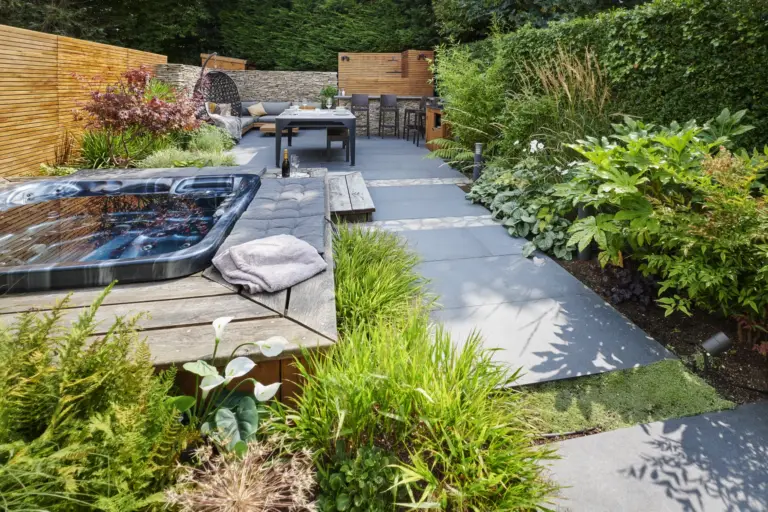
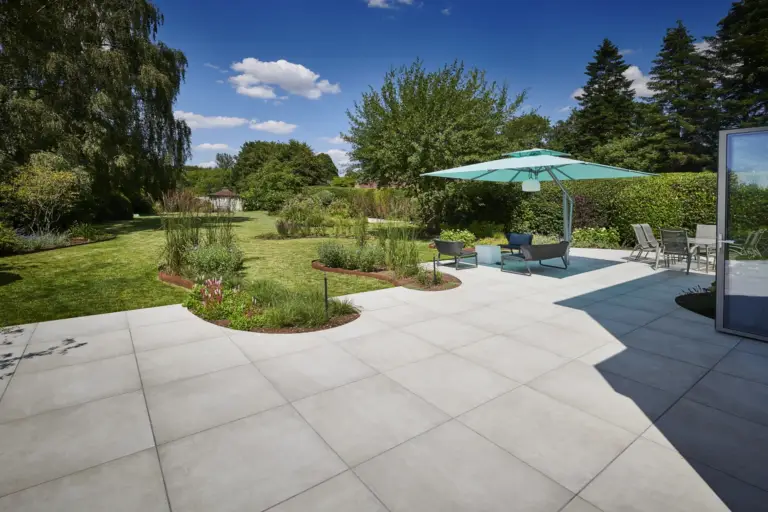
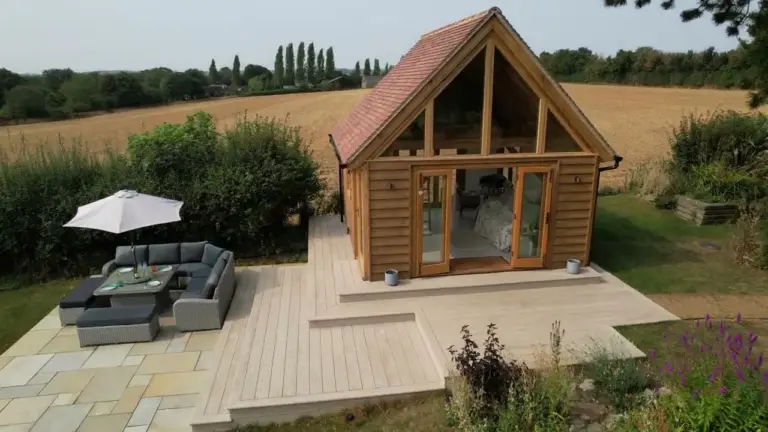
Portfolio work should show more than attractive photographs. Look for gardens that feel resolved from multiple angles, not just one hero view. Projects such as The Manor Promenade, The Country Escape and The Arts & Crafts Garden can be useful reference points when considering how different gardens express layout, atmosphere, materials and planting in different ways.
A good portfolio should also show range. A studio that works across design, construction, planting and aftercare should be able to demonstrate both the dream and the discipline behind it.
Consider what happens after handover
A garden is not static. Planting establishes, lawns settle, materials weather and the relationship between structure and softness changes with the seasons. Aftercare should not be an afterthought. It is part of protecting the investment and supporting the garden as it matures.
For clients considering a full garden design and build project, the first step is simply to start a conversation.
Frequently asked questions
What should I look for in a garden design and build studio?
Look for evidence of design thinking, technical build capability, project management, planting knowledge and a clear process from first consultation to handover.
Is it better to use one company for garden design and build?
For complex residential gardens, a connected design and build approach can help protect the design intent, manage practical decisions earlier and create a clearer route from concept to completion.
When should I involve a garden design studio?
Ideally before major decisions are made about layout, levels, materials, planting or outdoor living features. Early involvement gives the project more clarity and control.
More from the Journal
-
The Value of a Connected Design & Build Process
A garden is strongest when design intent, construction reality, planting and aftercare are considered as one connected journey.
Read the article -
The Details Beneath a Lasting Garden Build
The visible finish of a garden is only as strong as the structure, preparation and discipline beneath it.
Read the article -
A Completed Garden, Seen in Motion
A cinematic garden reveal showing the structure, planting and material detail behind a completed Refined Landscapes design and build project.
Read the article