Design & Build
The Value of a Connected Design & Build Process
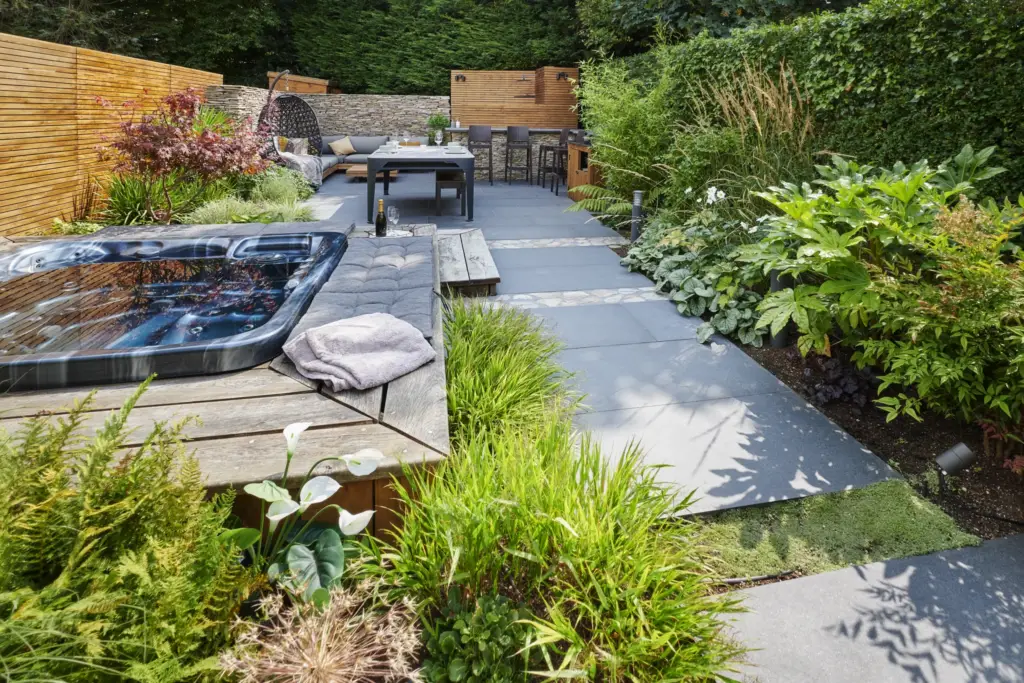
A garden is not designed in isolation and then built as a separate exercise. The best projects are shaped by a continuous understanding of design intent, construction reality, planting, materials and long-term care.
This is especially true for substantial residential gardens, where the finished space needs to feel beautiful, functional, technically sound and suited to the way the client wants to live outside.
Design decisions carry construction consequences
A line on a plan may look simple, but in the garden it may affect levels, drainage, foundations, retaining structures, access, lighting, services or material junctions. A connected design and build process brings those considerations into the project early.
This does not make the design less creative. It makes it more intelligent. When practical realities are understood from the beginning, the design can be shaped with greater confidence.
The build should protect the design intent
Construction is where the design becomes physical. Proportions, edges, curves, steps, terraces, walls and junctions all need to be delivered with precision for the finished garden to feel refined.
A connected approach means the team building the garden understands what the design is trying to achieve. They are not simply installing elements. They are protecting the atmosphere, movement and detail that were considered during design.
Cost and sequencing benefit from early clarity
A strong process gives clients a clearer understanding of what is being proposed, how the work will be phased and where key decisions need to be made.
This matters across projects in Hertfordshire, Bedfordshire, Cambridgeshire and North London, where access, property type, garden scale and existing levels can all affect how work is planned.
Planting belongs in the process, not at the end
Planting has a structural role in the garden. It affects privacy, movement, atmosphere, scale, seasonal interest and the way the garden matures. If planting is only considered after construction, opportunities are often lost.
A connected process allows planting to influence layout and materials, while also preparing the garden for successful establishment after completion.
Aftercare should be part of the original thinking
The point of handover is not the point at which the garden stops changing. Planting settles, lawns establish, materials weather and details need seasonal attention.
Considering aftercare early helps protect the design intent and supports the garden as it matures. It also helps clients understand how the space will continue to develop beyond the build.
A connected process creates a calmer experience
The client experience matters. A garden project can involve many decisions, from layout and material selection to construction sequencing and planting detail. When those stages are disconnected, the process can feel fragmented.
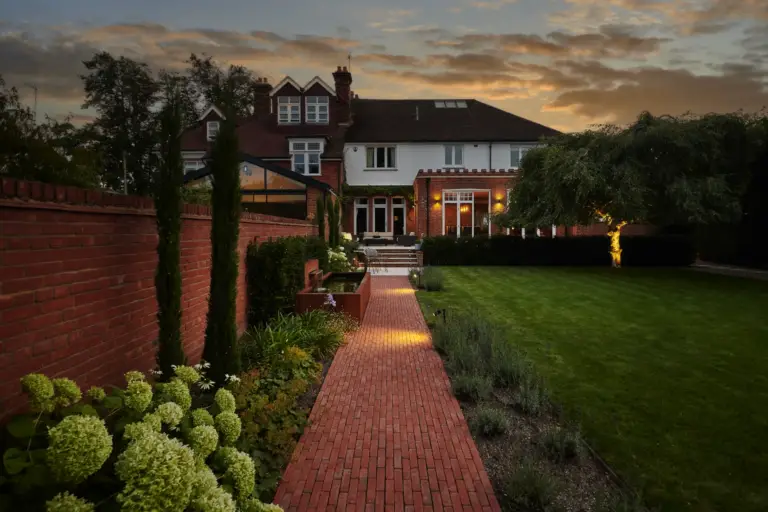
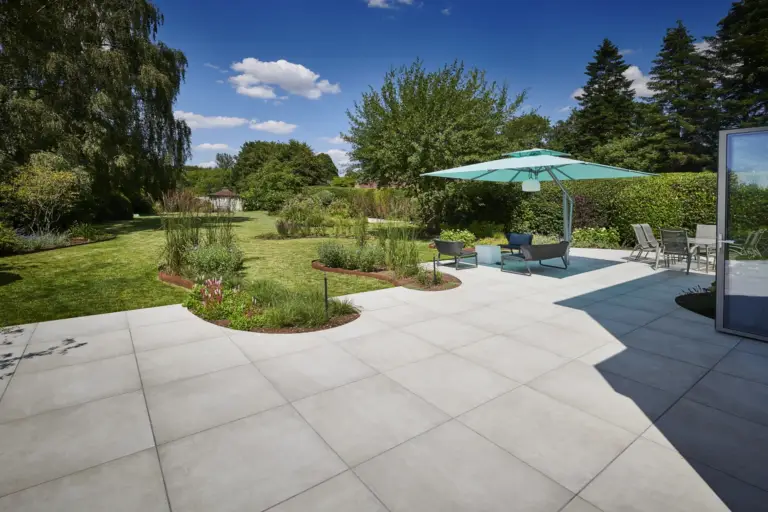
A connected design and build process creates a clearer route from first conversation to finished landscape. Projects such as The Manor Promenade and The Curved Lawn show how different types of gardens can still depend on the same underlying principle: design, build, planting and care working together.
For a clearer view of how a Refined project moves from first conversation to finished garden, explore the process or start a conversation.
Frequently asked questions
What is a garden design and build process?
It is a connected approach where the garden is designed, technically planned and built with the finished result, budget, materials and long-term performance in mind.
Why does construction input matter during design?
Levels, drainage, access, retaining structures, services and material choices can all influence how successfully a design can be delivered.
Does planting need to be part of the early process?
Yes. Planting affects structure, softness, views, maintenance, biodiversity and the way the garden matures.
More from the Journal
-
Commissioning a Garden Design & Build Studio
For high-value residential gardens, the strongest results come from a studio that can connect design thinking, technical construction, planting and care beyond handover.
Read the article -
The Details Beneath a Lasting Garden Build
The visible finish of a garden is only as strong as the structure, preparation and discipline beneath it.
Read the article -
A Completed Garden, Seen in Motion
A cinematic garden reveal showing the structure, planting and material detail behind a completed Refined Landscapes design and build project.
Read the article