Design & Build
The Details Beneath a Lasting Garden Build
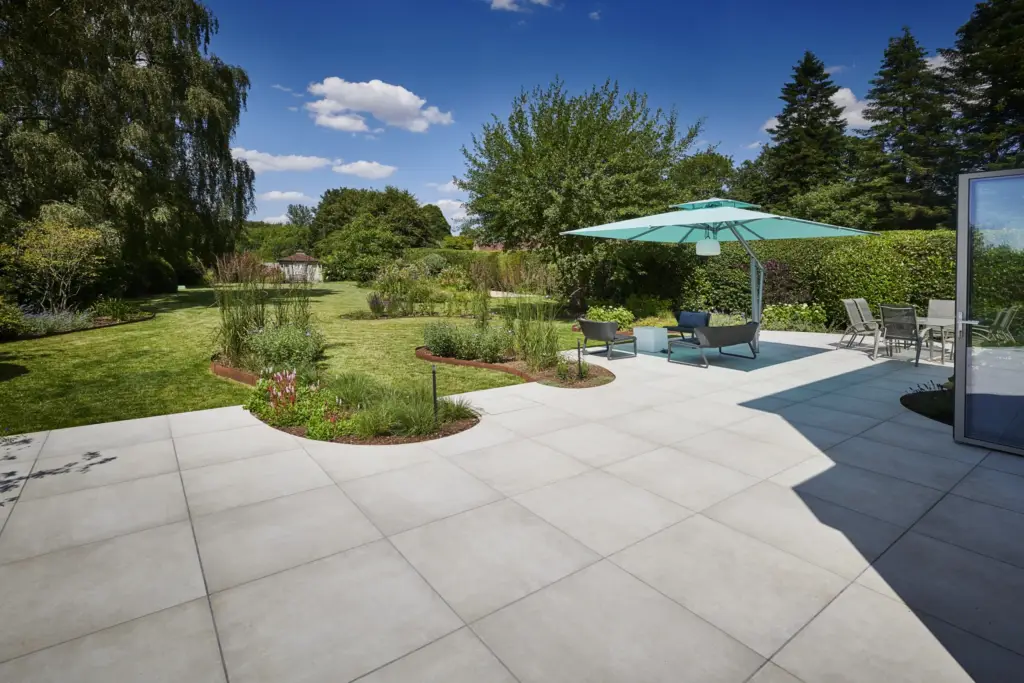
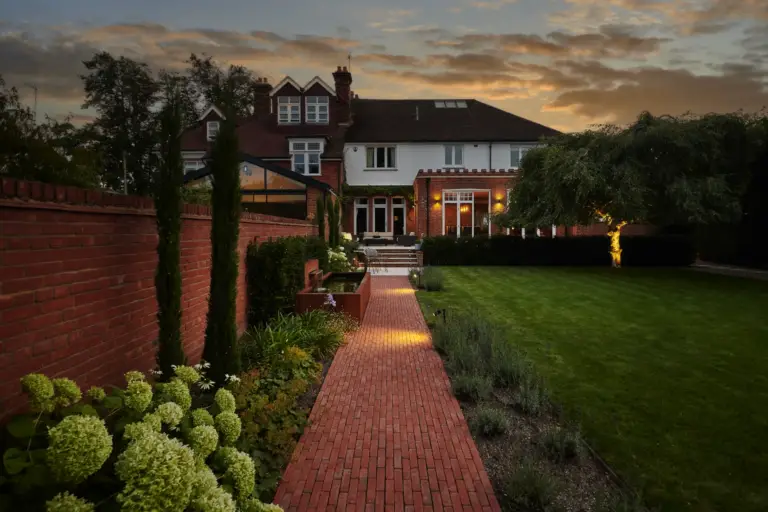
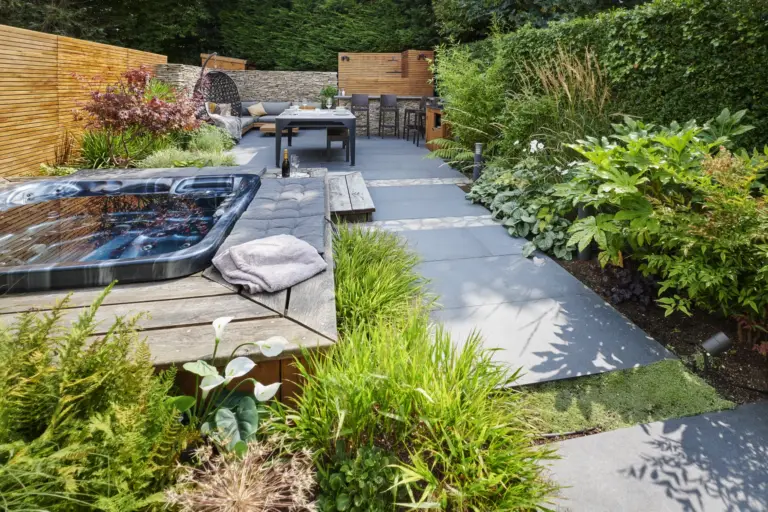
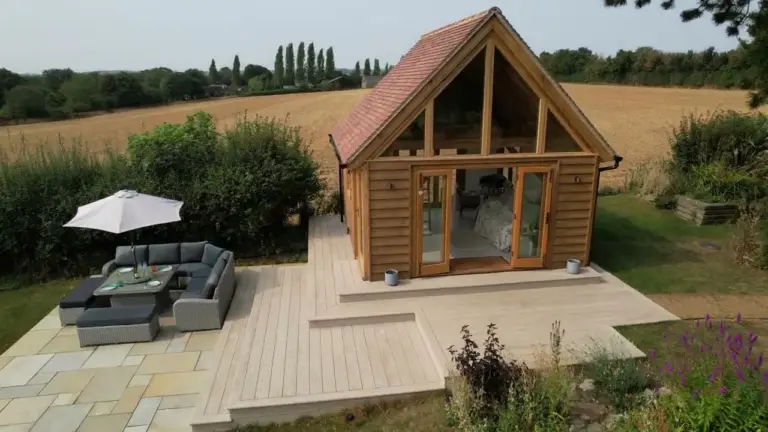
The visible finish of a garden is only as strong as the work beneath it. Levels, drainage, sub-bases, foundations, sequencing and material junctions all influence whether a garden continues to perform after the first season.
A refined garden build should look beautiful at completion, but it should also be constructed with the discipline required to hold its quality over time.
The unseen structure matters
Clients naturally respond to the parts of a garden they can see: paving, planting, steps, walls, lighting, water and outdoor living features. Yet the elements that decide long-term performance are often hidden.
Preparation, depth, compaction, drainage routes, foundations, edge restraint and build sequencing can all affect how the garden settles. These are not decorative decisions, but they have a direct impact on the finish.
Levels decide how the garden feels
Levels are both technical and experiential. They influence water movement, access, steps, retaining structures, seating, terraces and the way people move through the garden.
In gardens across Bedfordshire and Hertfordshire, existing gradients, boundaries, clay soils, mature trees and access constraints can all shape the construction response. A strong build team reads these conditions early rather than treating them as problems later.
Drainage should be designed, not improvised
Water needs to be understood before work begins. Poor drainage can affect paving, lawns, planting, walls and the day-to-day use of the garden.
A lasting garden considers falls, channels, soakaways, permeable areas, soil structure and the way water behaves during heavy rain. The aim is not simply to move water away, but to do so without compromising the design.
Material junctions reveal the quality of the build
A garden build is often judged in the details: where paving meets a step, where a wall turns, where edging holds a curve, where lighting is set, where a terrace meets planting, where materials change direction.
These moments require precision. They also require patience. If the junctions are rushed, the whole garden can feel less resolved.
Sequencing protects the finish
Construction sequencing matters because one decision often protects another. Heavy work, services, drainage, walls, paving, planting and finishing details need to happen in the right order.
When sequencing is controlled, the site stays cleaner, materials are handled better and the final layers are less likely to be compromised. This is part of what separates a finished garden from a lasting landscape. For more information, read The Quiet Principles of High-End Garden Design.
Technical quality should still feel elegant
Garden construction should not make the final garden feel engineered in a heavy-handed way. The purpose of technical quality is to allow the design to feel effortless.
Projects such as The Floating Terrace and The Bridged Waters can be used as reference points for the relationship between construction detail and finished effect.
If your project needs careful construction as well as a refined finish, start a conversation.
Frequently asked questions
What makes a garden build last?
A lasting garden build depends on sound technical preparation, appropriate materials, drainage, levels, foundations and careful installation.
Why is drainage important in garden construction?
Poor water management can affect paving, planting, lawns, walls and the long-term usability of the garden.
What should clients ask before starting a garden build?
Ask how levels, access, drainage, sequencing, materials and aftercare will be handled before work begins.
More from the Journal
-
Commissioning a Garden Design & Build Studio
For high-value residential gardens, the strongest results come from a studio that can connect design thinking, technical construction, planting and care beyond handover.
Read the article -
The Value of a Connected Design & Build Process
A garden is strongest when design intent, construction reality, planting and aftercare are considered as one connected journey.
Read the article -
A Completed Garden, Seen in Motion
A cinematic garden reveal showing the structure, planting and material detail behind a completed Refined Landscapes design and build project.
Read the article